s1mple
Counter-Strike 2's BC.Game Built a Five-Nation Roster Around s1mple and Plays Their First Match July 31
· 5 min read
BC.Game locked in mzinho on July 9, completing a five-nation CS2 lineup around s1mple. Here's what makes the roster unusual and what to watch on July 31.
On July 9, BC.Game announced Ayush "mzinho" Batbold as the fifth player on their Counter-Strike 2 roster, finishing a rebuild that has been one of the stranger stories in the scene this year. HLTV confirmed the signing. The full lineup: Oleksandr "s1mple" Kostyliev from Ukraine, Denis "electroNic" Sharipov from Russia, Emil "Magisk" Reif from Denmark, Azbayar "Senzu" Munkhbold from Mongolia, and mzinho, also Mongolian. Their coach is Wiktor "TaZ" Wojtas from Poland.
Five active roster members, five different countries. That is not common in Counter-Strike. Most top lineups form around a national core (Ukraine, Denmark, France) with one or two international pieces. BCG is the inverse: no majority nationality, no pre-built cultural shorthand, and a communication setup that defaults to English for everyone in the server.
By July 14, the team was at bootcamp, with s1mple, mzinho, and Senzu streaming live PUGs as they prepared. Their debut is July 31 at Elisa Esports Breakout Series 1 in Helsinki, a tier-two LAN running July 30 through August 1.
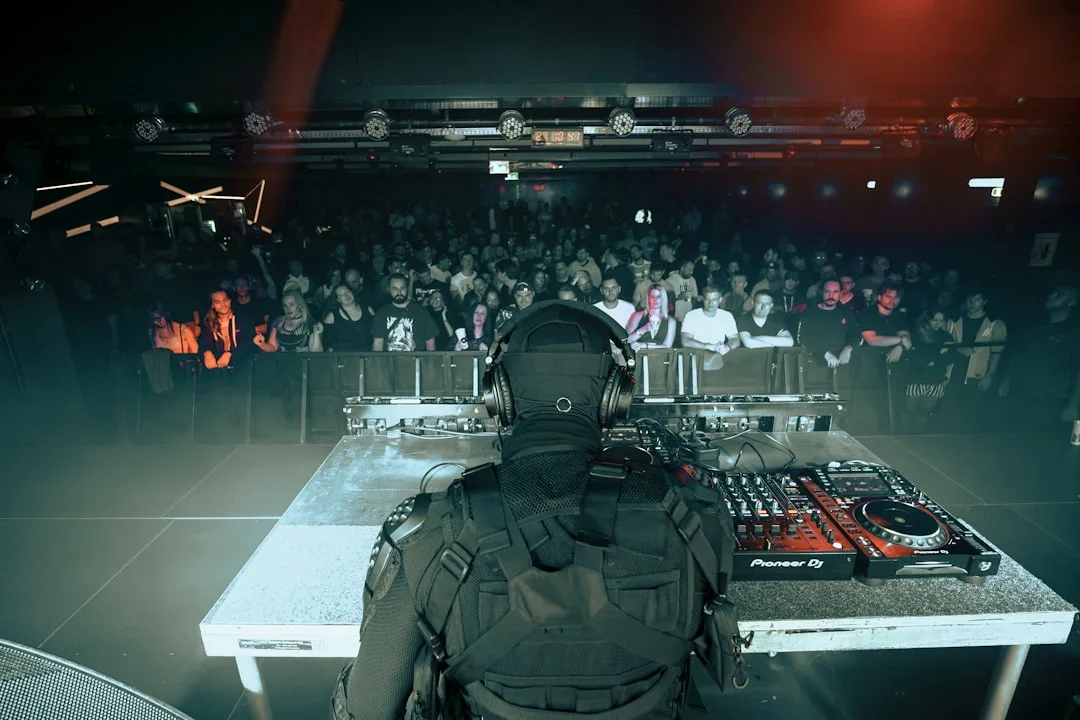
BC.Game's new lineup, as photographed for HLTV's coverage of the completed roster.
The part that should not work
Magisk is the in-game leader. That is the structural bet BCG has placed. He spent most of his career as a rifler and entry player at Astralis and NaVi, executing other people's systems. The IGL switch is recent, and it is being tested immediately against a specific challenge: directing s1mple, who has built his game over years of counter-intuitive positioning and hard-won timing reads.
S1mple is not easy to lead. Not because he is difficult to manage as a person, but because his game sense is so developed that generic calls waste him. A good IGL builds a system around that. Magisk's background inside the rigid Astralis structure might actually be an advantage here: he has experienced what it feels like to have movement constrained by a tactical framework, and he presumably understands where those constraints created value versus where they were just habit.
Whether that understanding translates to the IGL chair with s1mple in his headset is something only the Helsinki servers will answer.
The mzinho piece
The signing was not straightforward. Senzu told HLTV that he "did a lot of convincing" to bring his countryman over. This is mzinho's first time playing outside Mongolia, his first senior international team, and he is nineteen years old. He and Senzu reached the BLAST Austin Major 2025 final together and won the Esports World Cup the same year, both while operating inside MongolZ's fast, tempo-heavy system.
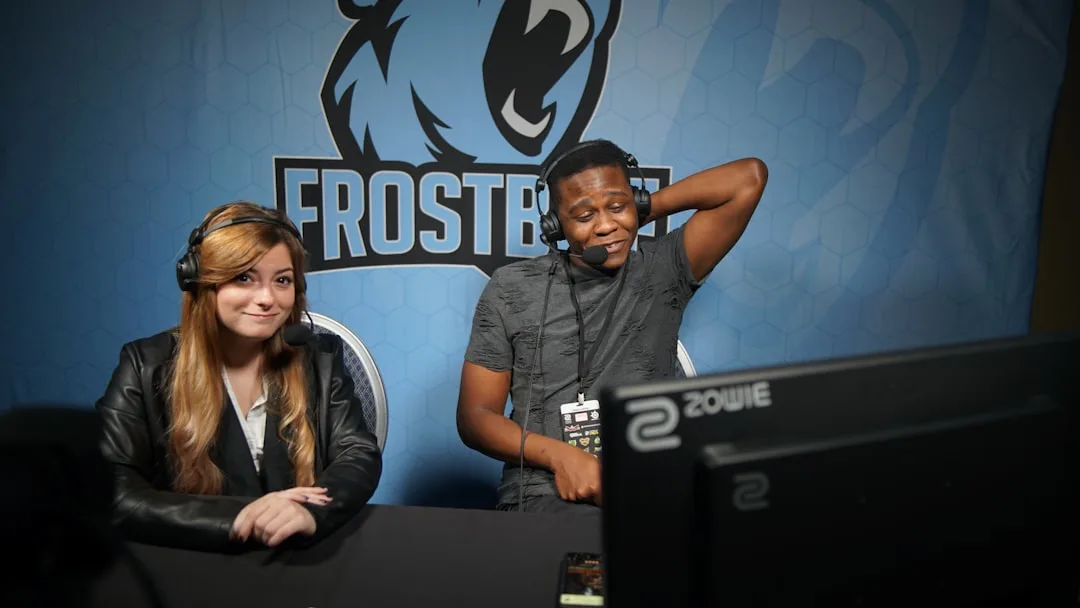
Mzinho averaged a 1.20 rating during his peak period with MongolZ, per HLTV player statistics.
That MongolZ system worked because the whole team ran it. BCG is a different animal. S1mple is not an entry fragger. electroNic reads the map differently than mzinho's previous teammates. Whether the Mongolian duo's aggression creates fast space for s1mple to close rounds or burns resources on reads that do not sync with the rest of the team is the defining question for this roster, and it probably cannot be answered in a bootcamp. It gets answered on a LAN server with an opponent actively trying to exploit it.
Mzinho moving to Europe is also a real commitment. He told HLTV he would relocate for the opportunity. That says something about how seriously he is treating this, and it removes the safety net of falling back to a familiar environment if the team's system does not click.
What to actually watch on July 31
Elisa Esports Breakout Series 1 runs July 30-August 1 in Helsinki. BCG's first competitive appearance under this lineup is scheduled for July 31.
Watch the opening five rounds of their first map. Specifically the economy calls, not the scoreboard. A consistent buy/force/save rhythm in the early rounds suggests Magisk has drilled a real system in Helsinki. Freelancing in rounds one through five is a signal the structure is still forming under pressure.
Watch mzinho's positioning. If he is taking aggressive early timings, Magisk has kept the MongolZ template as one of his tactical tools. If he is playing patient, reading from behind s1mple or electroNic, the team has rebuilt his role from scratch. Both approaches can win. The question is which one Magisk chose and whether the choice holds when the opponent adapts mid-map.
Watch Magisk himself. He will be the player on the server who talks the most. If BCG's rounds look structured even when they lose them, the IGL transition is further along than a two-week bootcamp would normally allow.
For players who are in ranked right now
S1mple, mzinho, and Senzu were streaming from bootcamp on July 14. Those streams are free to watch and rewatch. How s1mple reads a default, where he holds, how long he stays on an angle before rotating, is based on sound and minimap inference rather than visual confirmation. His timing reads specifically are worth studying because they work the same way in ranked as they do at the pro level.
If you want a setup that reflects how players at this level actually play, the nohax.club settings generator lets you pull pro-based presets for sensitivity, resolution, and in-game config that you can adapt to your own hardware without guessing.
BCG is not a confirmed top-ten team. The roster has real open questions, and a tier-two debut in Helsinki answers only some of them. But it is the most structurally unusual team in the current scene, and July 31 is the first real data point on whether it works.